Robot Motion Planning for Casino Service Robots
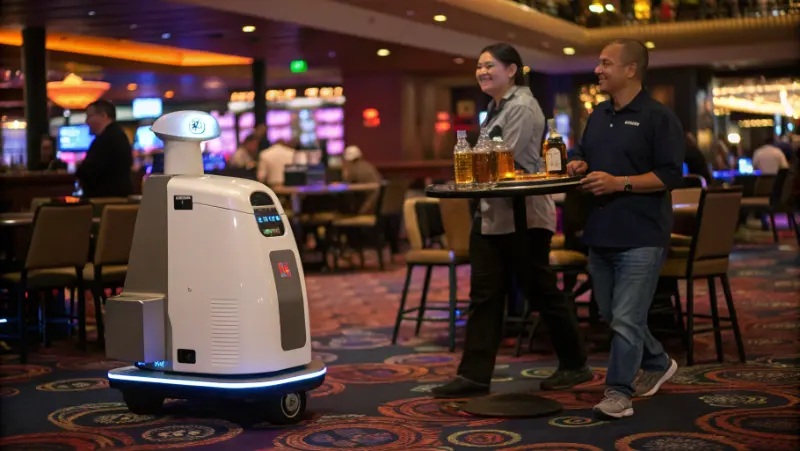
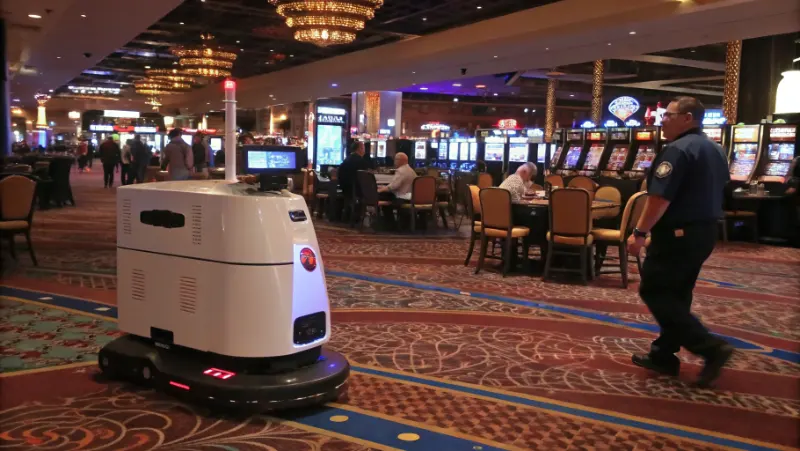
Casino service robots represent a growing application of advanced motion planning algorithms in complex, human-centric environments. These autonomous systems must navigate crowded gaming floors while delivering beverages, providing guest assistance, and supporting security operations. The challenge lies in balancing efficient task completion with social appropriateness, safety, and minimal disruption to ongoing gaming activities. Modern planning frameworks combine real-time obstacle detection, predictive modeling of human behavior, and adaptive trajectory generation to enable robots to operate seamlessly alongside casino patrons and staff.
Navigation Challenges in Dynamic Casino Environments
Casino floors present unique obstacles for robotic navigation systems. Dense crowds, unpredictable patron movements, frequent layout changes, and the need for socially acceptable behavior create a complex planning problem. Service robots must maintain safe clearances around guests, avoid disrupting gameplay, and navigate through narrow aisles between slot machines and gaming tables while responding to dynamic obstacles in real time.
- Real-time sensor fusion processes data from multiple cameras and LIDAR systems to build accurate environmental models
- Predictive algorithms anticipate human trajectories based on gaze direction, body orientation, and walking patterns
- Social navigation frameworks maintain culturally appropriate personal space boundaries around guests
- Dynamic replanning capabilities allow robots to smoothly adjust paths when original routes become blocked
Planning Algorithm Comparison
Different motion planning approaches offer varying advantages for casino service applications:
| Algorithm Type | Response Time | Best Use Case |
|---|---|---|
| RRT-based Planning | 50-100ms | Long-distance navigation across gaming floor |
| Dynamic Window Approach | 10-20ms | Local obstacle avoidance in crowded areas |
| Social Force Models | 15-30ms | Human-aware trajectory generation near guests |
| Hybrid Systems | 25-50ms | Balanced performance across all scenarios |
"Effective casino service robots must prioritize guest comfort and safety over raw navigation efficiency, requiring planning systems that incorporate social conventions into their cost functions."
Implementation Requirements
Deploying service robots in casino environments demands robust systems that meet operational, regulatory, and customer experience standards. Successful implementations integrate advanced sensing hardware, sophisticated planning software, and careful consideration of the social dynamics unique to gaming environments. These robots must operate reliably during peak hours, handle equipment failures gracefully, and maintain consistent performance across varying crowd densities and environmental conditions.