Robot Motion Applications in Automated Casino Logistics
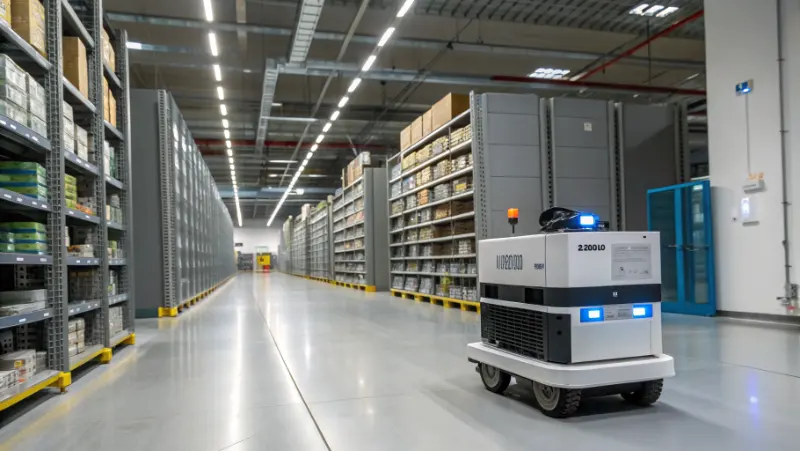
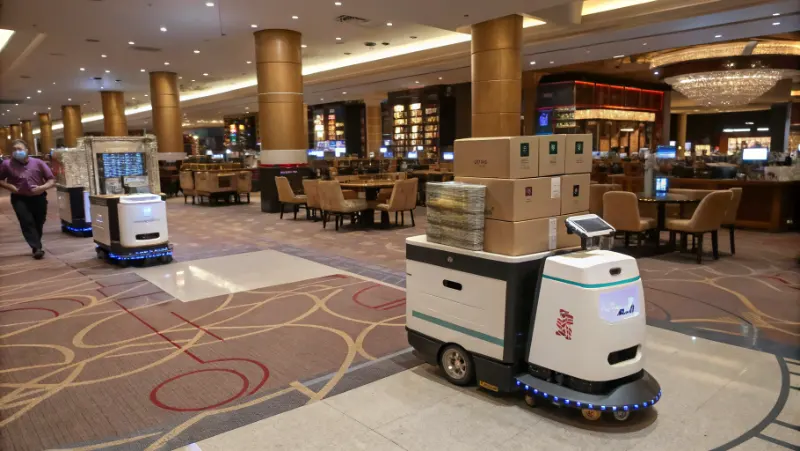
Automated logistics systems powered by robot motion planning algorithms are transforming back-of-house casino operations. These systems handle inventory movement, supply routing, equipment transport, and waste management with minimal human intervention. By leveraging autonomous mobile robots equipped with sophisticated navigation capabilities, casinos can reduce labor costs, improve operational efficiency, and maintain 24/7 logistics support without disrupting guest-facing operations. The key to successful implementation lies in motion planning algorithms that can adapt to dynamic facility layouts, coordinate multiple robots, and optimize routing for time-sensitive deliveries.
Autonomous Routing and Coordination
Multi-robot coordination in casino logistics requires sophisticated planning systems that prevent collisions, optimize paths, and balance workload distribution. These systems must account for restricted access zones, service elevator availability, and time-based priority levels while maintaining smooth material flow throughout the facility.
- Centralized coordination systems assign tasks and resolve routing conflicts across robot fleets
- Distributed planning allows individual robots to make local decisions while maintaining global efficiency
- Priority-based routing ensures time-sensitive deliveries reach destinations without delay
- Dynamic load balancing redistributes tasks when robots encounter maintenance needs or battery charging requirements
System Performance Metrics
Evaluating logistics robot performance requires tracking multiple operational indicators:
| Metric | Target Value | Impact Area |
|---|---|---|
| Delivery Success Rate | 98-99% | Operational reliability |
| Average Task Completion | 3-5 minutes | Efficiency and throughput |
| Collision Avoidance Rate | 99.9% | Safety and equipment protection |
| Fleet Utilization | 75-85% | Resource optimization |
"Autonomous logistics robots can reduce casino operational costs by 30-40% while improving delivery consistency and freeing staff to focus on guest-facing services."
Crowd-Aware Navigation
Even in back-of-house environments, logistics robots must navigate around staff members and occasional guest access. Motion planning systems incorporate crowd-aware algorithms that adjust robot speed, maintain safe distances, and choose routes that minimize human encounters during peak activity periods. These capabilities ensure logistics operations continue smoothly without compromising staff safety or requiring dedicated robot-only corridors throughout the facility.