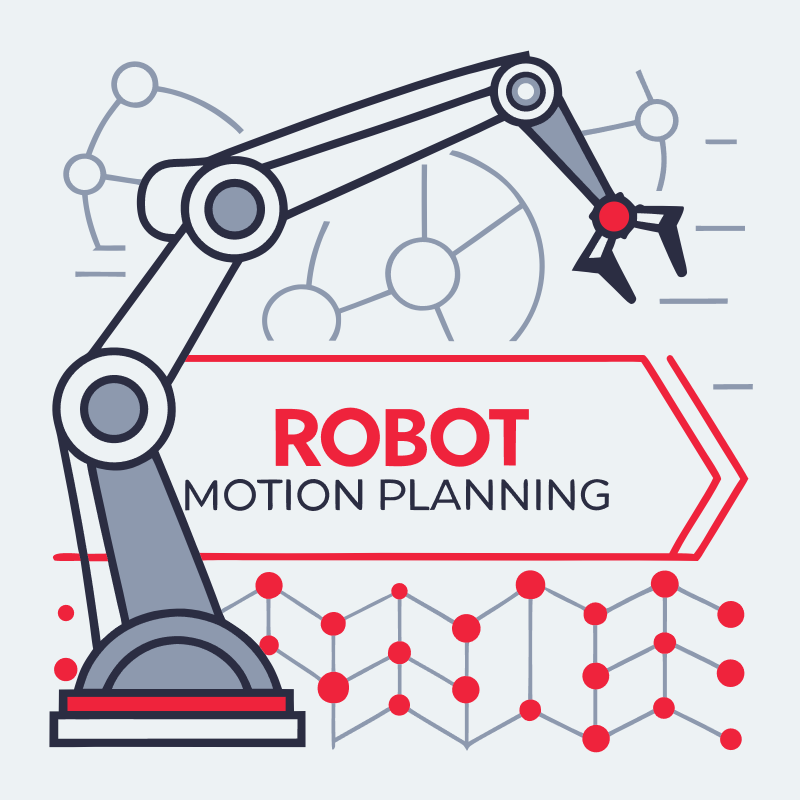
Computational Robotics Models for Casino Infrastructure Simulations
Simulation-driven approaches using computational robotics frameworks enable casinos to test layout designs, predict visitor flow patterns, and optimize resource allocation before committing to physical changes. These models incorporate robot motion planning algorithms to simulate how autonomous systems will navigate proposed floor plans, identify potential bottlenecks, and evaluate the impact of architectural modifications on operational efficiency. By testing scenarios virtually, casinos can make data-driven decisions that improve both guest experience and robotic system performance while avoiding costly trial-and-error implementations in the physical environment.
Layout Testing and Optimization
Computational models allow designers to evaluate multiple floor plan configurations and assess their impact on robot navigation efficiency and guest flow. These simulations run thousands of scenarios with varying crowd densities, event schedules, and operational parameters to identify optimal layouts.
- Virtual testing identifies narrow passages and congestion points that could impede robot navigation
- Flow analysis predicts how layout changes affect pedestrian movement patterns throughout gaming areas
- Resource placement optimization determines ideal locations for robot charging stations and storage areas
- Scenario modeling evaluates performance under peak occupancy, special events, and emergency evacuation conditions

Simulation Framework Comparison
Different computational frameworks offer varying capabilities for casino infrastructure modeling:
| Framework Type | Primary Strength | Best Application |
|---|---|---|
| Agent-Based Models | Detailed behavior simulation | Visitor flow prediction |
| Physics Engines | Accurate motion dynamics | Robot performance testing |
| Hybrid Approaches | Comprehensive analysis | Full facility optimization |
| Machine Learning Models | Pattern recognition | Predictive analytics |
"Simulation-driven design reduces implementation risks by 60-70% and allows casinos to identify optimal configurations before investing in physical infrastructure changes."
Predictive Analytics Integration
Advanced computational models incorporate historical data on guest behavior, seasonal variations, and special event impacts to generate accurate predictions. These insights help casinos optimize staffing levels, robot deployment strategies, and facility modifications. By combining motion planning algorithms with predictive analytics, simulation frameworks provide actionable recommendations that improve operational efficiency while maintaining high standards for guest experience and safety throughout the facility.